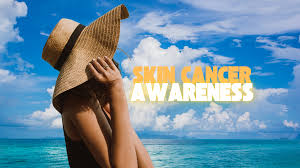
Living in Thailand offers expats a beautiful tropical lifestyle with year-round sunshine, but it also brings significant skin cancer risks that require careful attention. As skin cancer rates rise globally, understanding your personal risk factors and implementing proper protection strategies becomes especially important in Southeast Asia’s intense UV environment.

Understanding Skin Cancer: A Global Health Concern
Skin cancer remains one of the most common cancers worldwide, with the World Health Organization estimating more than 1.5 million new cases diagnosed globally in 2022. This includes both melanoma and non-melanoma skin cancers. Specific statistics from 2022 show 331,722 new cases of melanoma were diagnosed worldwide, with approximately 58,667 deaths from this aggressive form of skin cancer.
The geographical distribution of skin cancer shows distinct patterns, with countries like Australia experiencing the highest incidence rates globally. Australia’s age-standardized rate of 37.0 cases per 100,000 people dwarfs the global average of 3.2 per 100,000. Other high-incidence regions include North America and Europe, while Asian and African countries typically report much lower rates.
Skin Cancer Risks for Expats in Thailand’s Tropical Climate
Many expats moving to Thailand come from countries with significantly higher skin cancer rates, particularly Australia, the United States, and European nations. Thailand’s intense tropical sun presents unique challenges, with UV radiation levels consistently high throughout the year. While Thailand’s overall skin cancer incidence remains lower than Western countries, research shows it is one of the top fifteen leading sites of new cancer cases in the country.
A 10-year retrospective study from the Institute of Dermatology in Bangkok revealed that among basal cell carcinoma (BCC) patients, 71.6% were older than 60 years, indicating that cumulative sun exposure over decades significantly increases risk. For expats, this is particularly relevant as many relocate to Thailand during middle age or retirement years, bringing with them decades of previous sun exposure.
Recent research from Southern Thailand provides valuable insight into regional variations. A study conducted in Songkhla province found that the highest incidence rates occurred in city areas (up to 7.14 per 100,000 in men), while Muslim-predominated areas showed lower rates, possibly due to traditional clothing that provides more skin coverage. This highlights how behavioral factors—including what you wear—directly impact skin cancer risk in tropical environments.
Who Is Most Vulnerable? Age and Risk Factors
While skin cancer can affect people of all ages, certain age groups face significantly higher risks. According to melanoma research, approximately half of all melanomas occur in people over the age of 50, with the median age at diagnosis being 59 years.
The relationship between age and skin cancer risk follows this pattern:
- Young adults: Melanoma is the third most common cancer in people aged 15-29. Women aged 18-39 have seen an alarming 800% increase in melanoma incidence from 1970 to 2009.
- Middle age: Incidence rates begin to rise more sharply as cumulative sun damage accumulates.
- Older adults: People over 60 experience the highest rates of skin cancer, particularly basal and squamous cell carcinomas.
Gender Differences in Risk
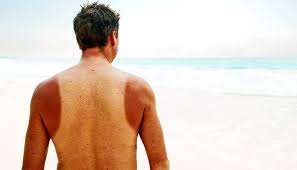
Men generally face higher overall skin cancer risks, especially after age 50. By age 65, incidence rates in men double those in women, and by age 80, they triple. This disparity may relate to occupational sun exposure, less frequent use of sun protection, and anatomical differences in commonly affected areas.
Women, while having slightly lower overall risk, are diagnosed more frequently at younger ages, possibly due to tanning behaviors and hormonal influences. Until age 49, significantly more non-Hispanic white women develop melanoma than white men—one in 162 women versus one in 258 men.
Protecting Your Skin in Thailand’s Tropical Climate
Living in Thailand requires consistent, year-round sun protection strategies. Unlike temperate climates where UV radiation fluctuates seasonally, Thailand’s proximity to the equator means intense sun exposure throughout the year. Here are essential tips for skin protection:
Sunscreen: Your First Line of Defense
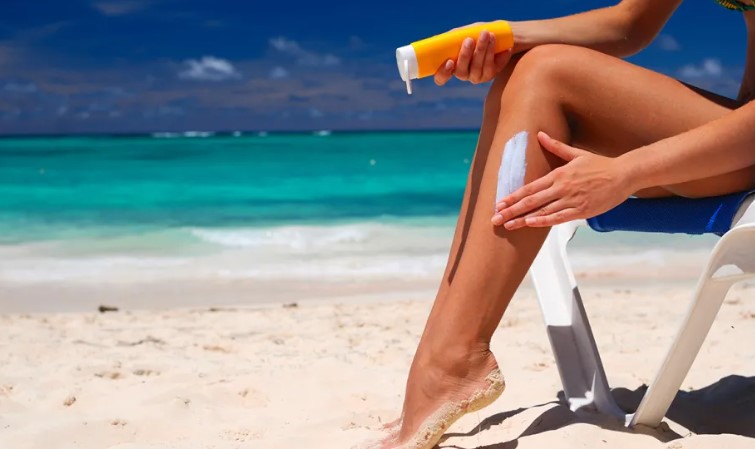
- Choose broad-spectrum sunscreen with SPF 30 or higher that protects against both UVA and UVB rays
- Apply generously (approximately one ounce for full body coverage) 15-30 minutes before going outside
- Reapply every two hours, or immediately after swimming or sweating
- Research shows that regular daily use of SPF 15 or higher sunscreen reduces the risk of developing squamous cell carcinoma by about 40% and melanoma by 50%
Protective Clothing and Accessories
- Wear wide-brimmed hats that shade your face, ears, and neck
- Choose UV-protective clothing with a tight weave that covers arms and legs
- Don UV-blocking sunglasses to protect your eyes and the sensitive skin around them
- Use umbrellas for additional shade when outdoors
Smart Sun Behavior
- Seek shade during peak UV hours (10 a.m. to 4 p.m.)
- Check the UV index daily and plan outdoor activities accordingly
- Remember that UV rays can penetrate clouds, so protection is needed even on overcast days
- Be extra cautious near water, sand, and concrete, which reflect UV rays and increase exposure
Regular Skin Checks
- Perform monthly self-examinations of your entire body, including hard-to-see areas
- Watch for new growths, changes in existing moles, or sores that don’t heal
- Schedule annual professional skin examinations with a dermatologist
- Document any concerning spots with photographs to track changes over time
Additional Considerations for Expats
- Be mindful that certain medications (like some antibiotics and anti-inflammatories) can increase photosensitivity
- Understand that alcohol consumption may reduce sunburn tolerance
- Recognize that indoor tanning devices are proven human carcinogens and provide no “protective base tan”
Understanding Skin Cancer Treatment Costs in Thailand
For expats diagnosed with skin cancer in Thailand, understanding treatment costs is crucial for financial planning. Treatment expenses vary significantly depending on the type and stage of cancer, the specific treatments required, and the healthcare facility chosen.
Cost Overview
According to medical tourism data, skin cancer treatment in Thailand typically ranges from USD 6,500 to USD 20,000 (approximately 212,615 to 654,200 THB). These costs generally cover comprehensive treatment but may vary based on several factors.
Breakdown of Treatment Costs at Major Bangkok Hospitals:
| Treatment Type | Approximate Cost Range (USD) | Approximate Cost Range (THB) |
| Excisional Surgery | 334 – 1,707 | 11,988 – 60,501 |
| Mohs Surgery | 674 – 3,361 | 24,260 – 122,345 |
| Radiation Therapy | 1,354 – 4,412 | 47,555 – 163,904 |
| Immunotherapy | 2,014 – 5,527 | 72,883 – 201,310 |
Factors Influencing Treatment Costs
Several elements determine the final expense of skin cancer treatment:
- Type and severity: Early-stage basal cell carcinoma treatment costs significantly less than advanced melanoma requiring multiple modalities
- Treatment techniques: Advanced procedures like Mohs micrographic surgery or immunotherapy are more expensive than standard excisions
- Hospital selection: Facilities in Bangkok’s urban centers typically charge more than regional hospitals
- Additional services: Diagnostic tests, follow-up care, and medications add to overall expenses
- Treatment duration: Multiple sessions or extended hospital stays increase costs
Insurance Considerations for Expats
Expats should carefully review their health insurance coverage regarding:
- Pre-existing condition clauses related to skin cancer
- Coverage limits for cancer treatments
- Hospital network restrictions within Thailand
- Direct billing arrangements with healthcare providers
- Evacuation coverage if specialized treatment is needed elsewhere
Early detection remains the most effective way to reduce both health risks and treatment costs. When identified early, the 5-year survival rate for melanoma exceeds 99%, often requiring less extensive and less expensive treatment compared to advanced cases.

Final Thoughts for Expats in Thailand
Living in Thailand’s tropical paradise doesn’t mean you must sacrifice skin health. By understanding your personal risk factors, implementing consistent protection strategies, and prioritizing regular skin checks, you can significantly reduce your skin cancer risk. Remember that sun protection is a daily necessity, not just for beach days, and that early detection dramatically improves treatment outcomes. If you notice any concerning changes in your skin, don’t delay—consult a dermatologist promptly. With proper precautions, you can safely enjoy Thailand’s beautiful climate while protecting your long-term health.
Disclaimer: This article provides general health information and should not replace personalized medical advice. Consult with healthcare professionals for diagnosis and treatment recommendations specific to your situation.
For a chat on how to best protect yourself from all the probabilities of life contact Tigon