Thailand, the “Land of Smiles,” presents a paradox. For many expats, the initial attraction is undeniable—tropical beaches, a low cost of living, and a culture renowned for its friendliness. Yet, beneath this alluring veneer lies a more complex reality that can severely test one’s mental fortitude.
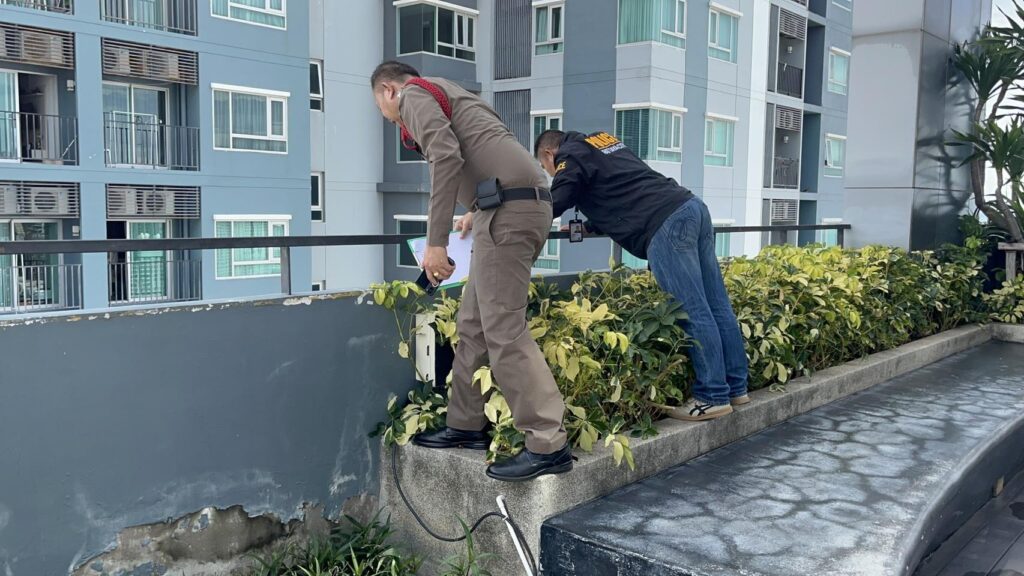
The frequent, tragic news reports of foreign men falling from balconies, often in tourist hubs like Pattaya and Phuket, have become a grim fixture. It’s a pattern that demands a deeper look beyond the easy assumptions of “accident” or “foul play,” pointing instead to an unspoken mental health crisis affecting the expatriate community. The question is not just about physical safety but about the psychological support available for those struggling in a foreign land.

The “Land of Smiles” Paradox
The very elements that draw people to Thailand can become sources of profound stress. The social isolation of being thousands of miles from family and friends, the disorientation of navigating a vastly different culture, and the pressure to maintain an image of a “perfect life” can be overwhelming. The “holiday vibe” and the seemingly endless friendliness from those in the service industry, while initially intoxicating, can ironically contribute to this. It creates a superficial, transactional reality that can feel isolating and inauthentic over time. When this idealized dream shatters against the difficulties of daily life, the psychological fallout can be severe, leading to conditions like depression, anxiety, and substance abuse.
This psychological vulnerability often intersects with a very real, physical danger. Data suggests that fatal balcony falls are not a myth. In 2023, for instance, 32 foreign visitors died in such incidents across Thailand. Many of these cases are officially ruled as suicides. While alcohol is frequently a contributing factor—with one 2019 US study showing 62% of those treated for balcony falls had been drinking—it doesn’t explain the full picture. The persistent dark humor on expat forums about the “Pattaya Flying Club” suggests a widespread acknowledgment of a deeper, more troubling pattern. The reality is that Thailand can be a place where pre-existing mental health conditions are exacerbated, or where new ones emerge from a perfect storm of isolation, stress, and substance use.
Navigating the Mental Health System: Care and Costs
When the facade cracks and the need for help becomes urgent, what kind of support is actually available? The answer is a complex mix of public services, private healthcare, and a significant disparity in care quality and accessibility. The Thai government is taking steps to address this. The Department of Mental Health has expanded its 24/7 hotline, 1323, increasing capacity and noting that English-language service is available. For those in crisis, this is a vital, free, and often anonymous first step. Additionally, organizations like the Samaritans of Thailand offer a dedicated English hotline at 02 113 6789 (press 2). This service is free and confidential, providing a crucial lifeline for those in distress.
However, the system faces immense challenges. Thailand is facing its own mental health crisis, with over 4 million patients recorded in 2023, but only about 38.75% have access to proper treatment. The country has a severe shortage of specialists, with only around 0.7 psychiatrists per 100,000 population, compared to the WHO’s recommended rate of 10 per 100,000. While Bangkok and Chiang Mai have a reasonable concentration of services, many rural provinces are completely underserved. This strain is felt acutely by expats, who often rely on the more expensive private sector to find English-speaking professionals and avoid long wait times.
The Price of Care
The cost of mental healthcare in Thailand varies dramatically depending on the provider and the type of care.
Private Hospitals and Clinics (The Expat Option):
- A private hospital like Yanhee International Hospital offers psychotherapy sessions in the range of $45-$61 (approx. 1,600-2,200 THB) .
- At Bangkok Hospital Phuket’s psychiatry department, a session is significantly higher, costing approximately 3,500-5,000 THB ($95-$135) .
- Private therapists in Phuket charge around 2,500-4,000 THB per session.
- Clinics like ‘HealthDeliver’ in Bangkok cater specifically to expats and offer consultations that are typically covered by international health insurance plans.
More Affordable Options:
- Phyathai Hospital in Bangkok offers promotional packages for a 60-minute session with a psychologist for 2,000 THB ($54) .
- The public hospital system offers extremely low-cost options for Thai nationals, but the wait times are often long, and English-speaking services are not guaranteed. A study showed uninsured migrants paid around 471 Baht per visit in public facilities, with insurance reducing this to just over 7 Baht.

While private care in Thailand is often significantly cheaper than in Western countries, it still represents a substantial out-of-pocket cost for expats without comprehensive insurance. This financial barrier, combined with the stigma surrounding mental health, often prevents people from seeking the help they desperately need.
Conclusion
The tragic frequency of balcony deaths in Thailand is a disturbing symptom of a broader, hidden crisis. The country’s allure can mask profound psychological challenges for expats, leading to isolation, stress, and despair that can have fatal consequences. While support is available—from free crisis hotlines to internationally accredited private hospitals—the system is strained and navigating it can be confusing and expensive.
The most important step is to break the silence. If you or someone you know is struggling, the first call is to a helpline like the Samaritans or the government’s 1323 hotline. Thailand’s healthcare system may have its gaps, but accessible help does exist. It’s time to look beyond the smile and start a real conversation about mental health in the expat community.
To be covered in any eventuality speak to Us