
Thailand has long been a global leader in public health, from its universal coverage scheme to its successful HIV prevention campaigns. However, recent data from the Department of Disease Control reveals a shifting landscape regarding Sexually Transmitted Infections (STIs) .
While HIV rates are generally stabilizing, bacterial STIs like Syphilis and Gonorrhea are surging —rising nearly threefold in just five years. For expatriates living in or moving to the “Land of Smiles,” understanding these risks, the cost of private treatment, and what the government is doing to curb the spread is essential for staying healthy and managing insurance coverage.
The Current Landscape: Infection Rates in Thailand
Despite universal access to condoms and healthcare, Thailand is currently witnessing an STI resurgence, particularly among the younger generation.

The most significant statistical alarm bell comes from the Kingdom’s syphilis data. In 2019, there were approximately 8,700 cases of syphilis nationwide. By 2025, that number had exploded to more than 25,000 cases —an increase of nearly 200%.
Following closely behind, Gonorrhea infections remain consistently high, contributing to the ongoing risk of HIV transmission. According to a recent report from the National Economic and Social Development Council (NESDC), HIV rates are also exceeding predictions. The NESDC reported that new HIV infections in 2025 were roughly 1.5 times higher than previous forecasts had anticipated.
Demographics: Who is Most at Risk?
The data highlights a specific demographic crisis. The highest infection rates for STIs are consistently found in the 20–29-year-old age group, followed closely by those aged 30–39. This indicates that community transmission is rampant among sexually active adults, not just “high-risk” groups as previously stereotyped.
What are the Most Prolific STDs?
While Syphilis and Gonorrhea are the fastest-growing, they are not the only concerns. A clinical study conducted at Siriraj Hospital in Bangkok, published in 2025, tested women presenting with symptoms and found that Chlamydia trachomatis was the most prevalent bacterial infection, present in 20.4% of symptomatic cases.
In summary, the most common STIs expats need to watch for are:
- Chlamydia (Most common)
- Gonorrhea (Consistently high)
- Syphilis (Fastest growing)
- HIV (Persistent, though manageable).
The Cost of Treatment for Expatriates
One of the biggest mistakes expats make is assuming that because healthcare is “cheap” in Thailand, they can skip insurance. While government hospitals offer affordable rates, the reality for most expats involves the private sector, which is significantly more expensive.
The Two-Tier Pricing System
Thailand operates a tiered pricing structure at government hospitals. Under regulations effective since 2019, prices differ based on residency status:
- Thai citizens pay the subsidized rate.
- Expats/Pensioners/Tourists pay the highest rate.
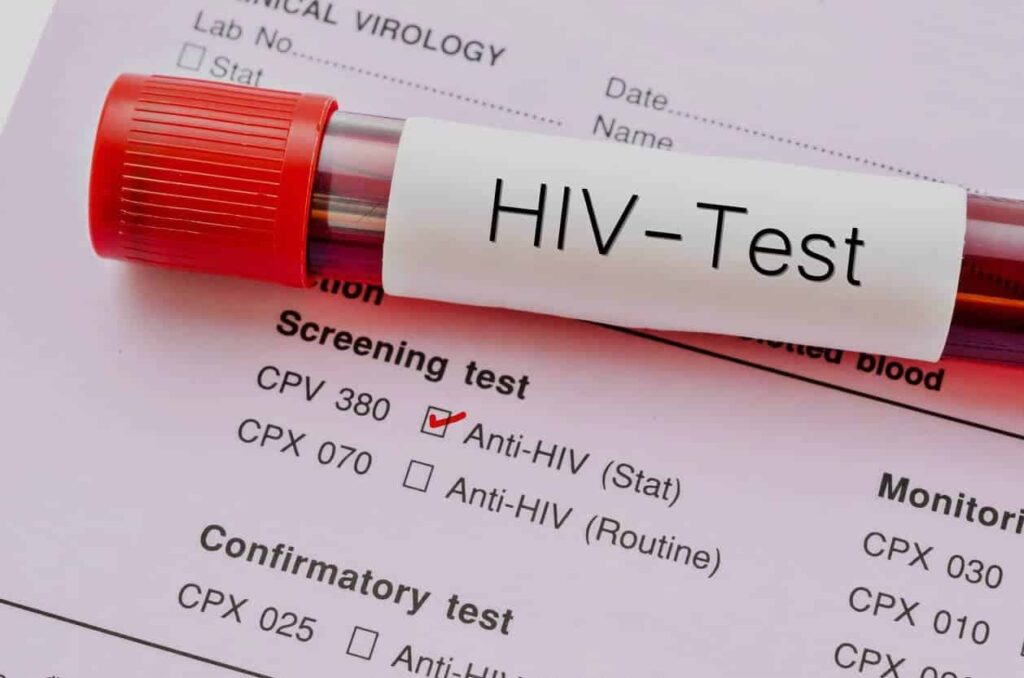
For example, a standard HIV test at a government hospital might cost a Thai citizen 160 Baht, but an expat would pay 320 Baht. An MRI, if needed for complications, jumps from 18,700 Baht (Thai rate) to over 28,000 Baht for a foreigner.
Private Hospital Costs (The Expat Standard)
Most expats prefer private hospitals like Bumrungrad or Bangkok Hospital due to English-speaking staff and shorter wait times. However, convenience comes at a premium.
- Consultation: 1,000 – 5,000 Baht (
137).
- General STI Screening Panel: Prices vary, but private clinics often charge between 2,000 and 5,000 Baht for a basic panel.
- Comprehensive Male Check-up (including HIV/STI): Approximately $400 (approx. 14,000 Baht) .
The Cost of Major Treatment
If you contract HIV and require long-term management, or if an STI leads to complications (like Pelvic Inflammatory Disease requiring hospitalization), costs rise rapidly. Medical inflation in Thailand is estimated at 14% per year. A simple overnight stay in a private hospital starts at 3,000 Baht and can exceed 20,000 Baht for a high-end room, plus medication costs. Without insurance, managing a chronic STI like HIV privately can cost hundreds of thousands of Baht annually.
Government Action: Protecting Sex Workers and the Public
The Thai government has not remained idle. Recognizing the surge in STIs, the Ministry of Public Health (MOPH) and the Bangkok Metropolitan Administration (BMA) have launched aggressive campaigns to protect both sex workers and the general public.
1. Proactive and Mobile Outreach
The government is taking the clinics to the people. Organizations like the Planned Parenthood Association of Thailand (PPAT), funded by the National Health Security Office (NHSO), operate mobile units specifically targeting female sex workers and Men who have Sex with Men (MSM) .
These units go directly to “service establishments” and red-light areas to provide voluntary HIV/STI testing, free condoms, and education on prevention. Instead of waiting for patients to feel sick, they proactively screen high-risk populations to catch infections early.

2. The “Equality with Safety” Campaign
Launched in mid-2025, this collaboration between the BMA and MOPH aims to reduce stigma and increase prevention. The campaign promotes “Equality with Safety: HPV x Condom.” Key initiatives include:
- HPV Vaccination: Expanding free HPV vaccines (which prevent genital warts and cervical cancer) to women aged 11–20 and female university students.
- PrEP and PEP: Promoting access to Pre-Exposure Prophylaxis (PrEP) for HIV prevention.
- Condom Vending Machines: Placing automated vending machines in universities and entertainment zones.
3. Focus on Youth (Safe Love Campaign)
Recognizing that 1/3 of new HIV infections are in youth (aged 15-24), the Department of Disease Control runs month-long campaigns (such as the “Love Status, Love 4ever” Valentine’s campaign) offering free sexual health testing throughout February. This targets the general public, specifically students, to normalize testing as an act of responsibility, not shame.
4. National HIV Goals
The government has set a target to reduce new HIV infections to 1,000 per year and AIDS-related deaths to under 4,000. This requires treating STIs aggressively, as they are biological markers for HIV transmission.
Conclusion: Stay Safe, Stay Insured
For the expatriate living in Thailand, the rise in STIs—particularly Syphilis and Gonorrhea—is a genuine public health reality. While the government is actively working to protect sex workers and the youth through mobile testing and vaccination drives, the responsibility of covering private treatment costs falls on the individual.
Thailand offers world-class medical care, but treating a “simple” bacterial infection in a private hospital can cost thousands of Baht, and managing a chronic condition like HIV is a lifetime financial commitment. Comprehensive health insurance is not just a legal requirement for visa extensions; it is your safety net against the rising tide of medical inflation and STI prevalence.
If you are sexually active in Thailand, regular testing (every 3-6 months) and the use of condoms/PrEP are essential. Don’t rely on the “low cost” reputation of Thai healthcare—ensure you have a plan that covers infectious disease management.
Click HERE for Medical Insurance advice.
Disclaimer: This information is for general informational purposes only and does not constitute medical advice. You should consult with a qualified healthcare provider for diagnosis and treatment of any medical condition